










Why teeth matter for jawbone health
When a tooth is missing, the bone that once supported it no longer gets the stimulation it needs to stay healthy. Over time, this can lead to bone loss in the jaw — which may affect not only your smile, but also the way your face looks and how comfortably you chew and speak.
Just like muscles stay strong through use, jawbone stays healthy when teeth are present. Chewing and biting naturally stimulate the bone. When a tooth is gone, that area of bone begins to slowly shrink. This is why replacing missing teeth is about much more than appearance — it’s about protecting your long-term oral health.
The good news is that modern treatments, including dental implants and bone grafting, can help restore and preserve jawbone so your smile stays strong and natural.
What Can Happen When Bone Is Lost
Bone loss around missing teeth can lead to:
-
Shifting or loosening of nearby teeth
-
Changes in facial shape or lip support
-
Difficulty chewing or speaking comfortably
-
Jaw or facial discomfort
-
Reduced support for future dental work
Treating missing teeth early helps prevent these changes and keeps your mouth healthy and stable.
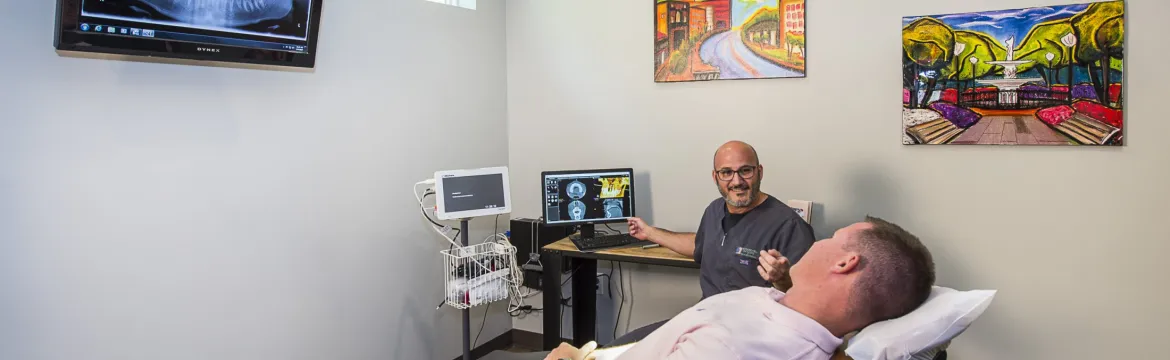
If you have a missing tooth or have been told you have bone loss, a consultation can help you understand your options — often simpler than you expect.